A Spark That Refuses to Die
Why Alfred Gitau Mwaura Created The First Kenyan Made 4A Coffee Roaster — and Why Hope Must Be Practical
There is a quiet crisis unfolding in rural Kenya.
Not loud. Not televised.
But devastating.
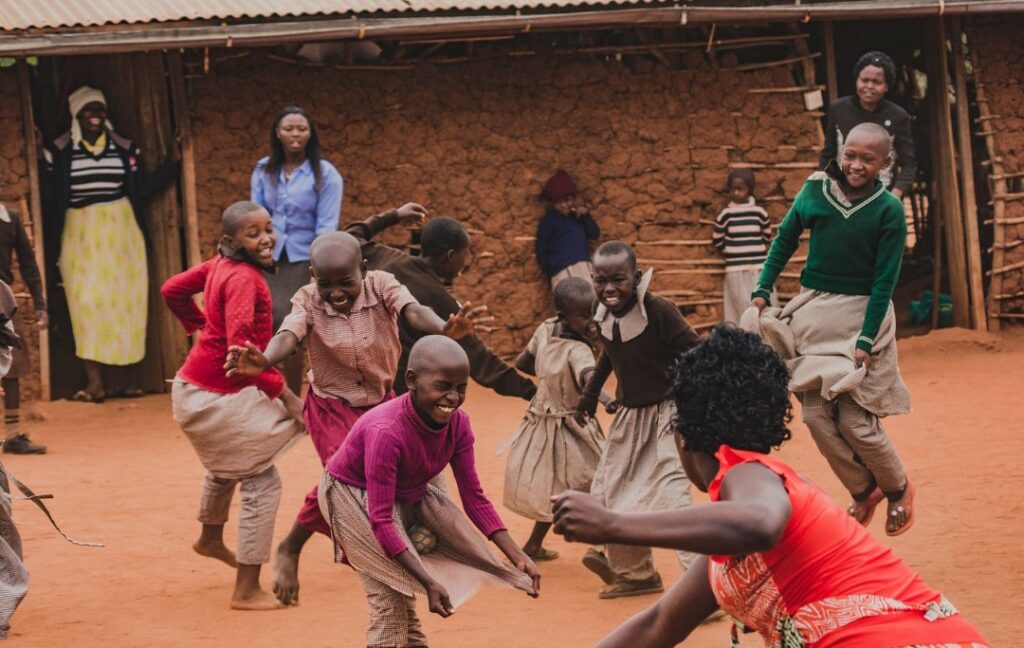
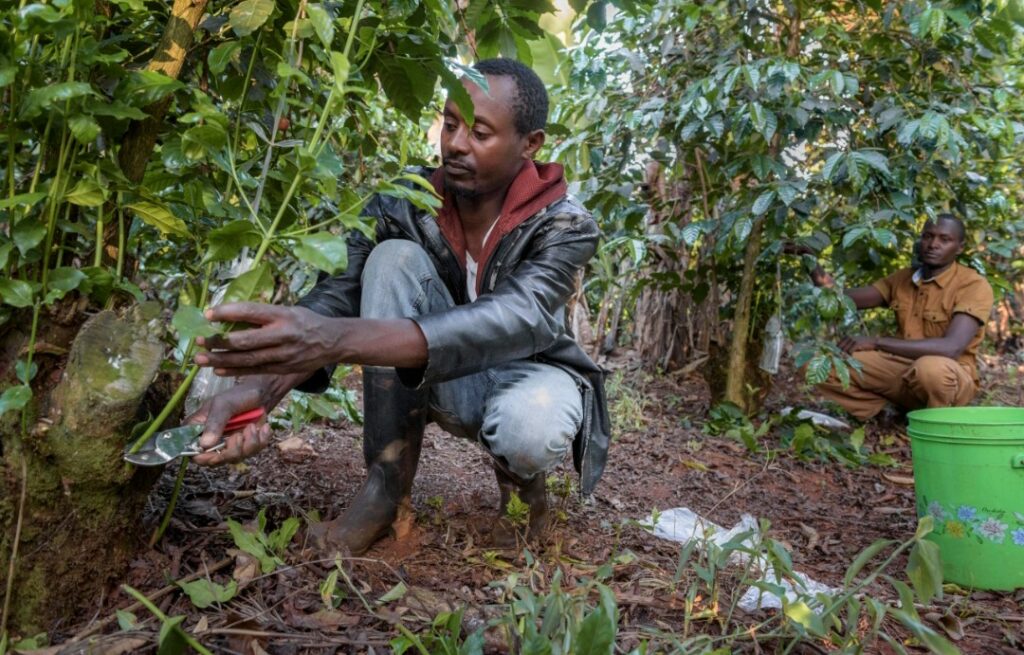
In places like Gatundu, young people born into coffee landscapes are watching the crop that raised generations fail to raise futures. Smallholder farmers struggle year after year, working land that produces global wealth yet leaves them poor. Youths inherit farms, but not opportunity. And when hope disappears, silence becomes dangerous.
This crisis is not about coffee lacking value.
It is about who controls that value.
And that is where the story of Alfred Gitau Mwaura — and The 4A Coffee Roaster — truly begins.
Acceptance Is Not the Same as Surrender
There is an acceptance that brings peace, and another that comes from exhaustion.
Many farmers have accepted poverty not because they believe it is right, but because the system taught them resistance is futile: sell cherry, wait for payments, accept prices you did not set, repeat — generation after generation.
When young people begin to take their own lives, this is not weakness.
It is hope collapsing under a system that never taught them how to win.
Alfred refused to accept this version of reality.
Not because the world was kind — but because it could be changed.
The Real Problem Was Never Coffee — It Was Power
For decades, smallholder farmers were locked at the bottom of the value chain. They grew coffee, but rarely drank it properly. They produced wealth, but never controlled process, pricing, or markets.
Coffee left the village raw — and returned expensive.
That gap is where poverty lives.
Alfred understood one hard truth:
You cannot empower people by asking them to work harder at the same broken point of the system.
You empower them by moving them up the value chain.
The 4A Coffee Roaster: An Invention With a Moral Purpose
The 4A Coffee Roaster was not built for applause, prestige, or patents.
It was built for justice.
Alfred asked a radical, disruptive question:
What if marginalized communities could roast their own coffee?
Not in distant cities.
Not in foreign factories.
But right where the coffee is grown.
The 4A Coffee Roaster became a statement:
- Farmers do not need pity — they need capacity
- Youths do not need motivation — they need skills
- Communities do not need charity — they need ownership
Roasting is not a technical step alone.
Roasting is power transfer.
It transforms coffee from a raw commodity into a product with identity, story, and margin.
It turns a farmer into a producer.
It turns a youth into a professional.
Skills Are the Language of Hope
Hope is not a speech.
Hope is not a song.
Hope is knowing what to do with your hands tomorrow.
By creating pathways around roasting, brewing, quality control, equipment handling, repair, and entrepreneurship, The 4A Coffee Roaster became more than a machine — it became a training tool.
Alfred understood something fundamental:
When people gain skills, dignity returns.
When dignity returns, life becomes worth defending.
A young person trained on The 4A Coffee Roaster is no longer trapped.
They can work anywhere.
They can create value locally.
They can dream again.
From Farmer to Creator: Changing the Narrative
The 4A Coffee Roaster symbolized a deeper shift:
- From selling raw cherry to owning finished coffee
- From waiting for buyers to creating markets
- From survival farming to knowledge-driven enterprise
This was never about coffee alone.
It was about rewriting the destiny of rural youth.
Coffee became the bridge — not the prison.
A Footprint That Must Mean Something
“I found a not so good, not so bad world — but my footprint has to mean something better.”– Alfred Gitau Mwaura
That belief is why skills programs, community roasting initiatives like Barista Mtaani, and value-addition pathways of 4A Coffee Rosters continue to grow. Not as monuments — but as lifelines.
Every youth trained is a life redirected.
Every farmer who roasts their own coffee breaks a generational ceiling.
Every skill shared is a funeral prevented.
Why This Matters Now
The system is still not built for the faint-hearted.
But it can be rebuilt for the skilled.
In a world facing unemployment, climate pressure, and rural despair, coffee offers something rare:
- A global market
- A local solution
- A dignified profession
But only if people control knowledge, process, and value.
The 4A Coffee Roaster exists for that exact reason.
Conclusion: God Helps Through Action
God does not always intervene with miracles.
Sometimes, He intervenes with ideas that refuse to let you sleep.
The 4A Coffee Roaster was one such idea.
Not just metal and fire — but a spark of hope.
If even one young person in Gatundu chooses life because they now see a future in coffee, then the invention has already succeeded.
Because in the end, the goal was never to roast beans.
It was to restore belief.
And belief — once ignited — is impossible to extinguish.